
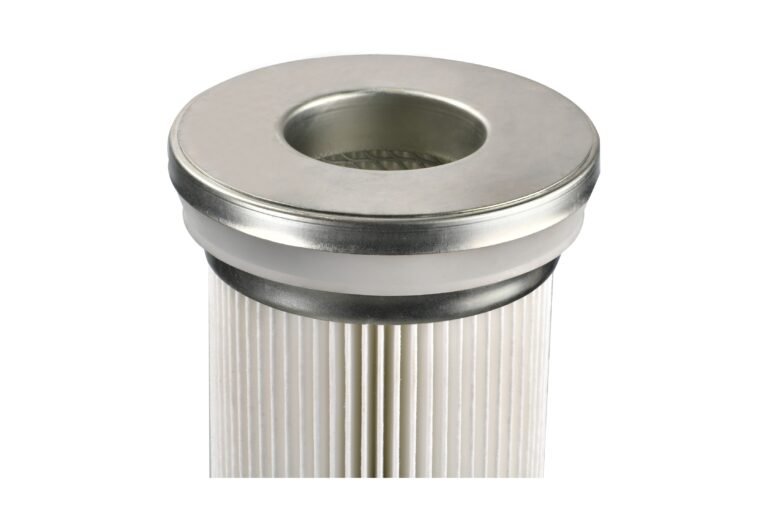
Dust collector filter cartridges are widely used in industrial dust collection systems to capture airborne particles generated during manufacturing, cutting, grinding, mixing, material handling and other production processes.
However, not every dust collection application has the same filtration requirements. Dust characteristics, particle size, temperature, moisture, chemical exposure, airflow, cleaning method and required emission performance can all affect filter cartridge selection.
For purchasing teams, engineers and maintenance personnel, understanding the application is essential before selecting an OEM replacement or custom dust collector filter cartridge.
How Dust Collector Filter Cartridges Work
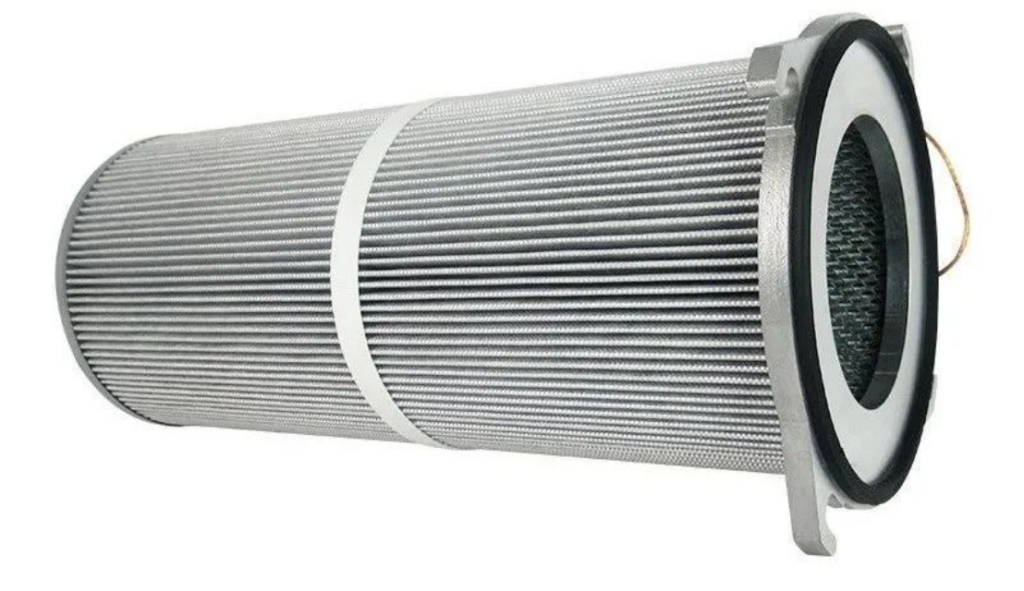
Dust-laden air enters the dust collector and passes through the filter cartridge media. Solid particles are captured on or within the filtration surface while cleaned air continues through the system.
Many industrial cartridge dust collectors use pulse-jet cleaning. Compressed air pulses help remove accumulated dust from the cartridge surface so the filter can continue operating without immediate replacement.
Filter performance is influenced by several factors, including:
- Filter media
- Filtration efficiency
- Dust loading
- Airflow
- Pressure drop
- Cartridge dimensions
- Pleat configuration
- Cleaning frequency
- Operating temperature
- Dust characteristics
A replacement cartridge should therefore be selected according to the actual dust collection system rather than by dimensions alone.
Dust Collector Filter Cartridge Applications in Metalworking and Welding
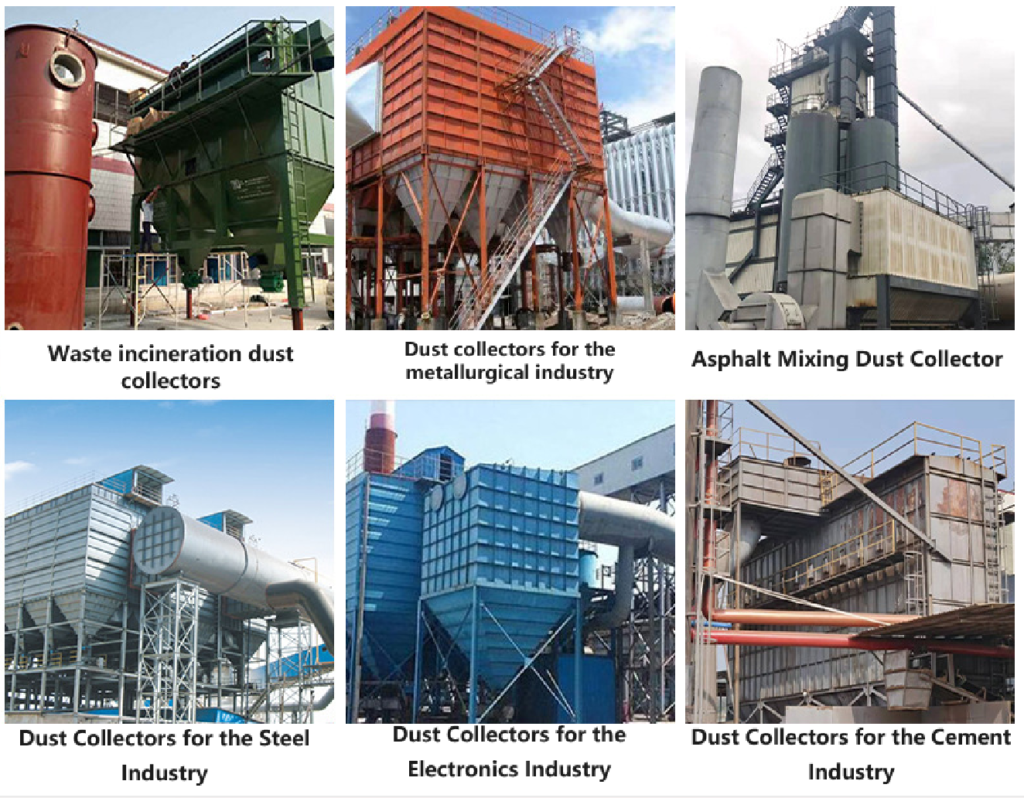
Metalworking operations can generate fine particulate matter from grinding, polishing, welding and other fabrication processes.
Dust collector filter cartridges may be used in systems serving:
- Welding stations
- Grinding operations
- Metal finishing
- Surface preparation
- General fabrication
- Machining areas
For these applications, filter media selection should consider particle size, dust loading and the characteristics of the collected material.
Fine dust can require higher-efficiency media, while heavy loading may require media with good dust release characteristics to support effective pulse cleaning.
The cartridge construction should also be suitable for the airflow and differential pressure conditions of the dust collector.
Laser and Plasma Cutting Applications
Laser and plasma cutting processes can generate very fine fumes and particulate matter.
These applications often place greater demands on filtration performance because the collected particles may be significantly finer than conventional workshop dust.
When selecting replacement cartridges for laser or plasma cutting systems, buyers should confirm:
- Required filtration efficiency
- Filter media
- Airflow
- Dust loading
- Differential pressure
- Cartridge dimensions
- Pulse-cleaning conditions
High-efficiency media or surface-treated media may be considered depending on the equipment and operating requirements.
The replacement cartridge should match the original system design rather than being selected solely according to cartridge size.
Cement and Mineral Processing
Cement, minerals and other bulk materials can generate large volumes of dust during crushing, conveying, mixing, filling and material transfer.
Dust collector cartridges used in these environments may be exposed to:
- High dust concentration
- Abrasive particles
- Continuous production
- Frequent pulse cleaning
- Variable particle sizes
For these applications, dirt-holding capacity, mechanical strength and cleaning performance are important.
The filtration system should maintain acceptable pressure drop while handling the expected dust load.
In especially abrasive or demanding environments, the filter media and cartridge construction should be evaluated carefully before replacement.
Chemical Processing
Chemical manufacturing can produce powders, process dust and other airborne particulate contaminants.
Filter selection in chemical applications requires more than filtration efficiency.
Important factors may include:
- Dust composition
- Chemical compatibility
- Temperature
- Moisture
- Process conditions
- Filter media resistance
- Seal compatibility
A filter cartridge that performs well in a general dust application may not be suitable for exposure to particular chemicals or process conditions.
When requesting an OEM replacement, buyers should provide information about the material being filtered and the operating environment.
Food and Grain Processing
Food ingredients, grain, flour, starch, sugar and other powdered materials can generate airborne dust during conveying, mixing, filling and packaging.
Dust collector filter cartridges may be used in systems serving:
- Grain handling
- Flour processing
- Ingredient mixing
- Powder transfer
- Packaging lines
- General food manufacturing
Filter selection should consider the particle characteristics, required cleanliness level, cleaning method and applicable plant requirements.
Some food and grain dusts may also present combustible-dust hazards. Dust collection equipment, filtration components and plant safety measures should therefore be evaluated according to the actual process and applicable safety requirements.
Pharmaceutical Manufacturing
Pharmaceutical production can involve fine powders and particulate contaminants generated during weighing, mixing, milling, tablet production and material transfer.
These applications may require strict control of airborne particulate matter.
When selecting a replacement dust collector filter cartridge for pharmaceutical manufacturing, consider:
- Particle size
- Required filtration efficiency
- Product characteristics
- Cleaning requirements
- Filter media
- Equipment design
- Operating conditions
The cartridge specification should be matched to the existing dust collector and process requirements.
For critical applications, technical specifications should be confirmed before production.
Woodworking Applications
Woodworking operations generate sawdust and fine wood particles from cutting, sanding, routing and machining.
Dust collectors used in woodworking may experience relatively high dust loading, so filter cartridges should support effective cleaning and stable airflow.
Important selection factors include:
- Dust particle size
- Dust concentration
- Filter media
- Airflow
- Cartridge filtration area
- Pulse-cleaning performance
- Pressure drop
As with other combustible dust applications, system design and safety requirements should be reviewed according to the actual process.
General Manufacturing
Cartridge dust collectors are also used across many general manufacturing operations where dry particulate contamination must be controlled.
Typical applications may include:
- Powder handling
- Surface finishing
- Packaging
- Material transfer
- Industrial ventilation
- Component manufacturing
- Process dust collection
Because operating conditions vary considerably between plants, the same cartridge specification should not automatically be applied to every dust collector.
A correct replacement should be based on both the cartridge dimensions and the actual filtration requirements.
How to Select the Right Dust Collector Filter Cartridge
Before purchasing a replacement dust collector filter cartridge, confirm the following factors.
Cartridge Dimensions
Measure or confirm:
- Outside diameter
- Inside diameter
- Overall length
- End-cap dimensions
- Mounting configuration
- Seal position
- Connection details
Even small dimensional differences can create installation or sealing problems.
For broader cartridge selection criteria, see our guide on how to choose the right industrial filter cartridge.
Dust Collector Filter Cartridge Applications: Filter Media Selection
Common cartridge media can include:
- Cellulose
- Polyester
- Synthetic media
- Nanofiber-treated media
- PTFE-treated or membrane-type media
- Other application-specific media
The correct choice depends on dust characteristics, filtration efficiency, moisture, temperature and cleaning conditions.
Filtration Efficiency
The required filtration performance should be suitable for the particle size and emission requirements of the application.
A finer filter is not automatically better if it creates excessive pressure drop or reduces service life.
Airflow and Pressure Drop
The cartridge should provide sufficient filtration area for the dust collector airflow.
Excessive resistance can reduce system performance and increase energy consumption or cleaning frequency.
Pulse-Jet Cleaning
If the dust collector uses pulse cleaning, the cartridge media and construction should be compatible with the cleaning system.
Poor dust release can cause rapid pressure-drop increase and shortened cartridge life.
Operating Conditions
Confirm:
- Continuous temperature
- Maximum temperature
- Dust type
- Dust concentration
- Moisture
- Chemical exposure
- Cleaning frequency
These conditions can significantly affect filter life and media selection.
OEM Replacement Dust Collector Filter Cartridges
For OEM replacement projects, the existing manufacturer and part number are useful starting points.
However, a part number alone may not always provide all the information required to confirm compatibility.
Whenever possible, provide:
- Existing brand
- Original part number
- Cartridge dimensions
- Filter media
- Photographs
- Technical drawing
- Physical sample
- Dust type
- Operating temperature
- Airflow
- Required filtration efficiency
For discontinued or non-standard cartridges, a drawing or sample can help confirm the required construction before production.
Information to Provide When Requesting a Quote
For faster technical evaluation, purchasing teams should prepare the following information.
Existing Cartridge Information
- Manufacturer
- Part number
- Equipment model
- Photographs
- Drawing or sample
Dimensions
- Outside diameter
- Inside diameter
- Length
- End-cap dimensions
- Mounting details
Filtration Requirements
- Filter media
- Required filtration efficiency
- Dust type
- Particle characteristics
Operating Conditions
- Airflow
- Operating temperature
- Maximum temperature
- Dust concentration
- Moisture
- Chemical exposure
- Pulse-cleaning method
Commercial Requirements
- Required quantity
- Estimated annual consumption
- Packaging requirements
- Delivery destination
- Required delivery schedule
Complete technical information reduces the risk of ordering a cartridge that fits physically but does not perform correctly in the dust collector.
Conclusion
Dust collector filter cartridges are used across metalworking, welding, cutting, cement, mineral processing, chemical, food, pharmaceutical, woodworking and general manufacturing applications.
However, the correct cartridge should always be selected according to the actual dust, airflow, filtration efficiency, filter media, cleaning method and operating conditions.
For OEM replacement projects, confirming the original part number together with cartridge dimensions and application data provides a more reliable basis for replacement.
When the original cartridge is discontinued or unavailable, technical drawings, dimensions and physical samples can be used to develop a compatible replacement.